Nine method briefs
Most methods fail at the wrong stage, not on the merits.
A strategy cascade won't tell you why a model breaks in production, and a containment action won't tell you what to build. These nine briefs are grouped by the point in the work where each one earns its keep — deciding, designing, proving, operating — because using a sound method one stage too early or too late is the most common way it disappoints.
Start from the symptom
Pick what's actually going wrong and the matching briefs stay lit.
All nine briefs shown, in the order the work tends to happen.
Choices that constrain everything downstream
Both briefs here are about narrowing: one narrows what the organisation will pursue, the other narrows which method is even admissible given the kind of situation you're in.
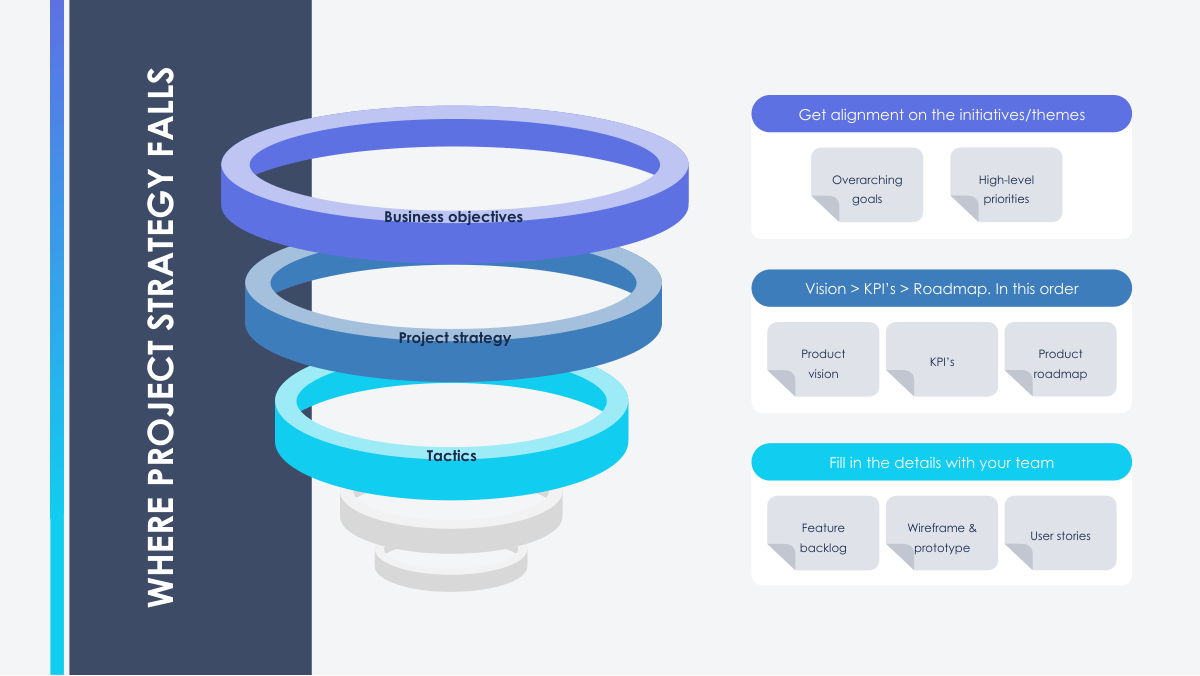
Strategy Framework: A Chain of Choices, Not a List of Goals
Five linked choices — winning aspiration, where to play, how to win, capabilities, management systems — each constraining the next. Pick them independently and the ambition survives while the strategy doesn't.
Read the brief →
The Cynefin Framework for Leaders
Five kinds of situation, five different first moves. The constraint structure that defines each domain, the decision sequence it demands, and the asymmetric cliff between clear and chaotic that catches confident organisations.
Read the brief →Turning a decision into something buildable
Both briefs describe alternation rather than sequence — widening then narrowing, discovering while delivering — and both fail the same way, by collapsing back into phases.

Product Design: From Rough Idea to Working Interface
Six stages that alternate between widening the options on the table and narrowing them back down, twice. Most of what goes wrong is a team narrowing before it has actually widened.
Read the brief →
Dual-Track Agile: Discovery and Delivery in One Team
Two continuous activities inside one team, not two phases and not two teams. What each track produces, the validated item that passes between them, and the mini-waterfall most implementations quietly become.
Read the brief →Evidence that survives contact with a stakeholder
These three share one rule: the standard for judging a result has to be fixed before the result exists, and the number you report has to be attached to something that would change if it moved.

A/B Experiment Deliverables
Twelve artifacts, six written before a single user sees the variant. That ordering is the point: what makes a result trustworthy is that the standard for judging it was set while nobody knew the answer.
Read the brief →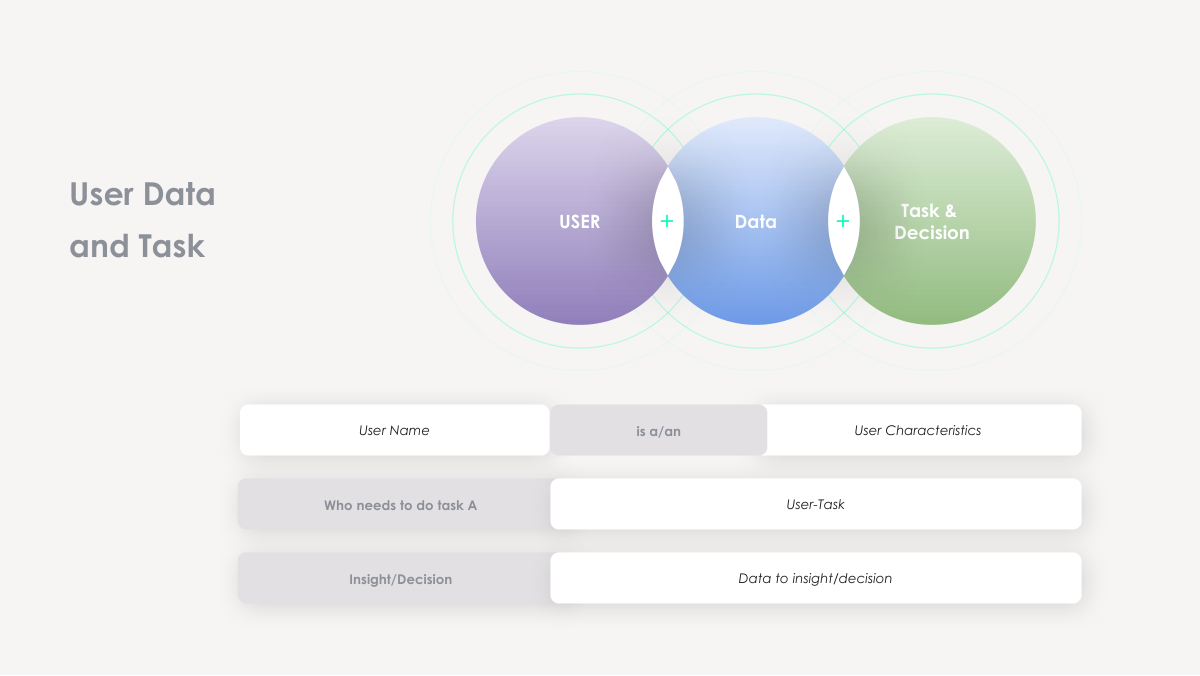
From Data to Action: What a Data Task Actually Requires
A user has data and wants a task done. What has to be true about the data, how the task has to be stated, and what must actually change afterwards — with a checker that tests example requests against all three.
Read the brief →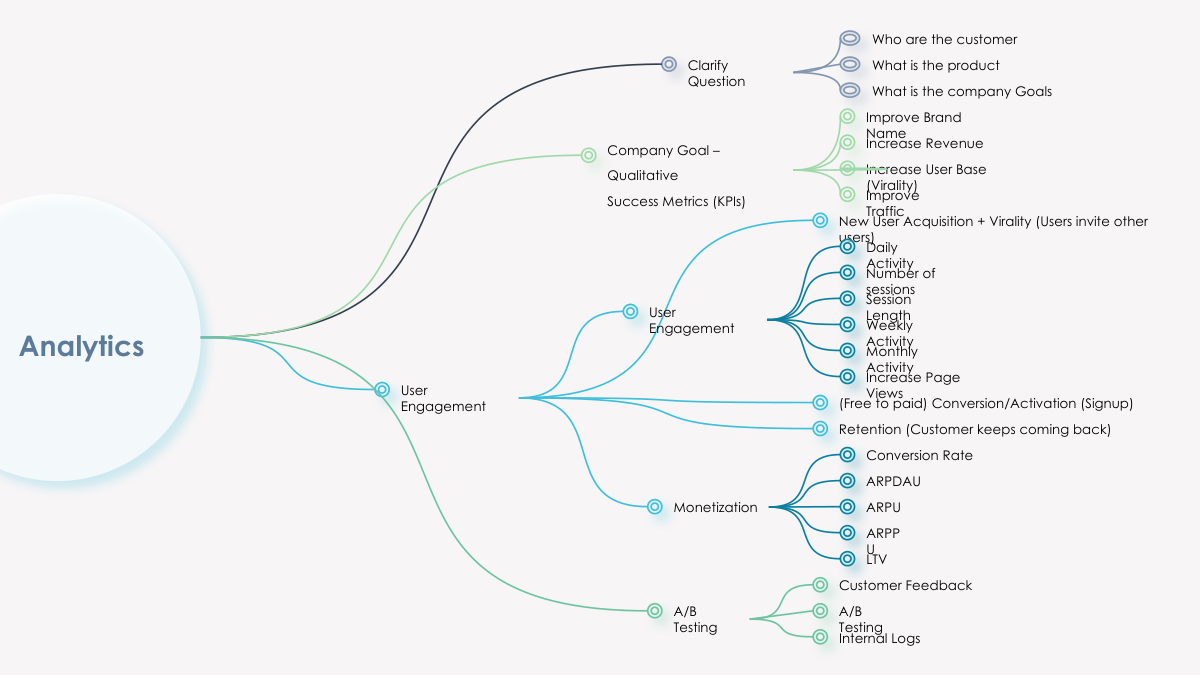
Website Analytics: Numbers That Actually Mean Something
Traffic is the easiest number to celebrate and the least connected to results. The four-stage funnel behind it, where AI answer engines fit as a referral source, and a leak-finder for the stage losing you the most.
Read the brief →Keeping it working, and fixing it properly when it doesn't
The last stage is where the cost of skipping an earlier one finally shows up: an unreproducible model, or a defect that was contained rather than corrected and comes back somewhere adjacent.

Productionizing: From Working to Trustworthy
Reproducibility, packaging, serving, testing, monitoring, versioning and rollback, ownership. Almost none of what separates a notebook model from a trustworthy one is a modeling problem.
Read the brief →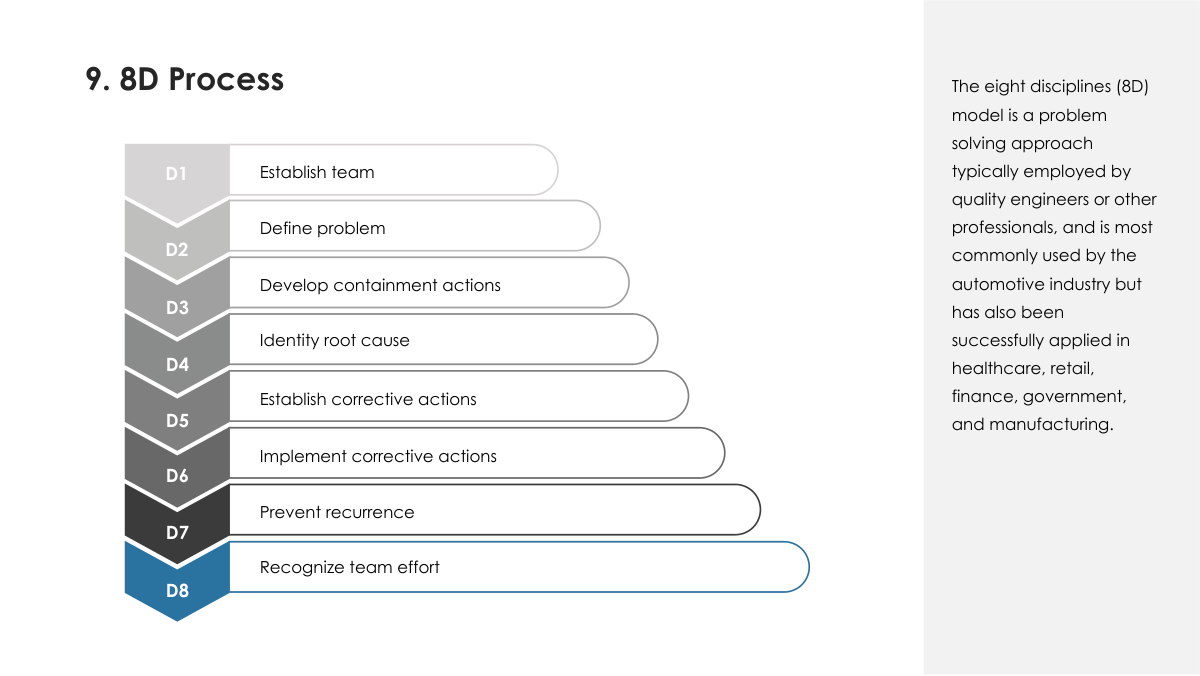
The 8D Process: Structured Quality Problem Solving
What each discipline from D0 to D8 produces, why containment is not a fix, why root cause needs an escape point as well as an occurrence cause, and the failure modes that turn an 8D into paperwork.
Read the brief →